
Who lives with whom, who leads, what a child owes a parent, who minds the grandchildren and what to call each of her relatives, from dated national figures and what Thai people wrote on Pantip.
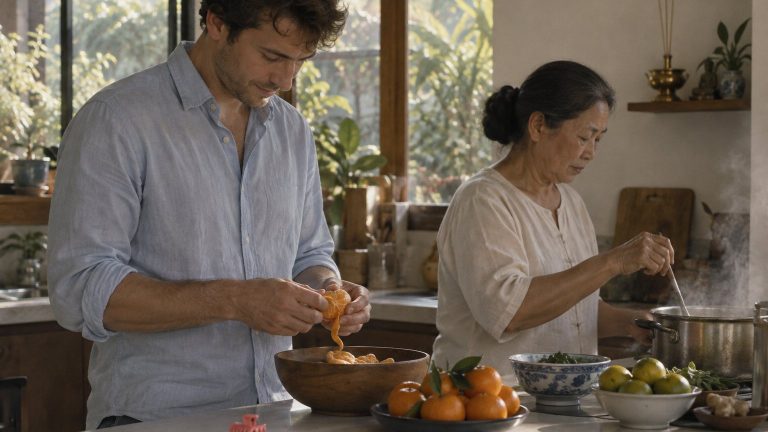 CultureChinese New Year in Thailand With Her Thai-Chinese Family27 min read
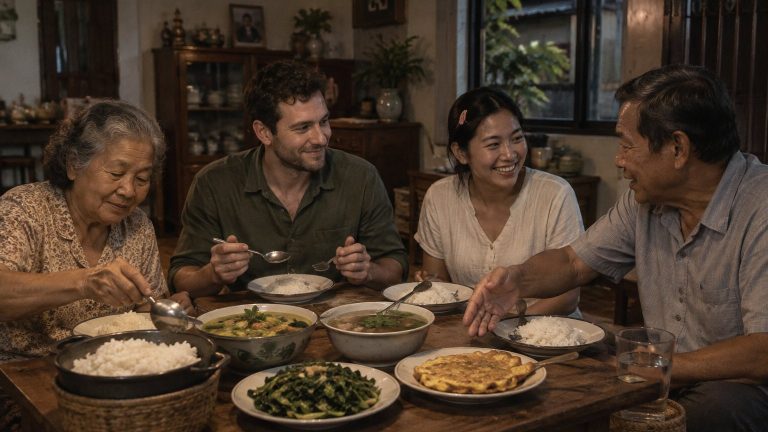 CultureThai Food Culture: Eating With Her Family25 min read
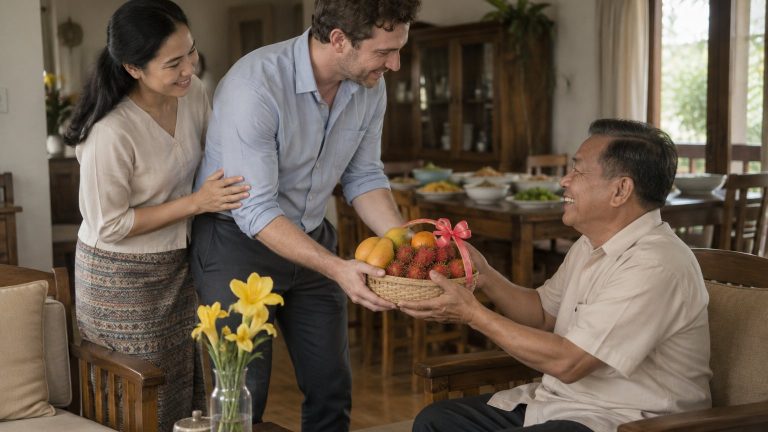 CultureThai Father’s Day: What to Give Her Father19 min read
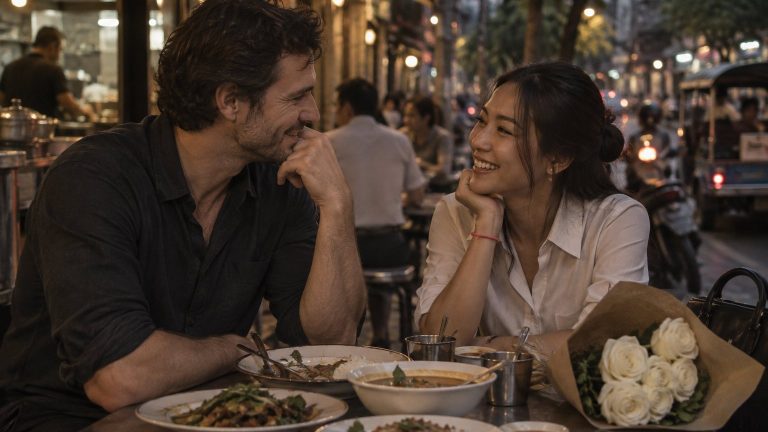 CultureValentine’s Day in Thailand: What She May Expect29 min read
 CultureHow to Say Hello in Thai: Greeting Her Family25 min read
Contents · 12 sections
Thai family structure runs on age and rank: parents and elders come first, children are expected to care for them, and many family words show which side a relative is on and who is older. In 2024, fewer than one Thai household in four held three generations. Respect, care and decisions can sit with different people: ask her about hers.
Labels such as extended and patriarchal do not tell you who lives where, who provides care or who makes decisions. We wanted to know what Thai people say about their own families, so we read 14 threads on Pantip, the big Thai public forum, from 2019 to 2026, and counted what Thai commenters wrote on eleven questions: 554 answers in all from 434 different commenters, counting a commenter once for each question they answered. A commenter can give more than one answer to a question, so the lists below can add up to more than the number of commenters. We set that beside the national figures on households from 2013 to 2024. These are counts of what people chose to post, not rules for every Thai family. For how family fits into dating a Thai woman more widely, see our guide to Thai dating culture and etiquette.
Thai family life at home: who lives with whom
Most Thai households are not three generations under one roof. In 2024, the national household survey counted 23.4 percent of Thai households as extended families, where parents and children live with grandparents; 40.1 percent as nuclear, a married couple with or without children; 26.5 percent as one person living alone; and 8.2 percent as a single parent with children. The average household was 2.6 people 1.
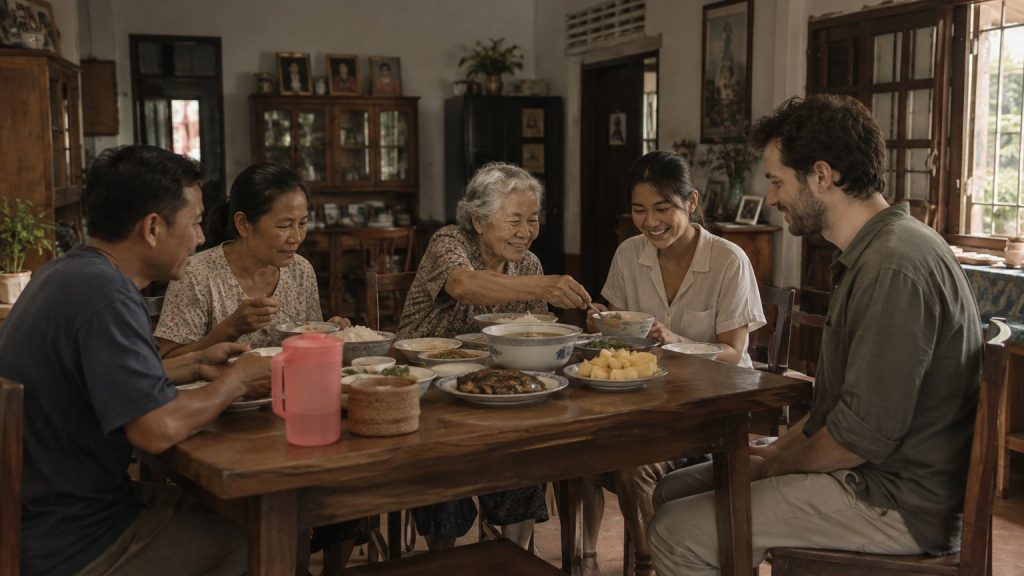
The older national series uses other categories, so the two do not join into one trend. In 2013, 6.5 million of Thailand’s 19.5 million families were three-generation households, one in three and then the biggest single type, and families of just a mother, a father and their children were 26 percent, down from more than half in 1987 2. The 2024 nuclear figure also counts couples without children, so it is not that 26 percent rising again.
Older Thais show the same shift. Among Thais aged 60 and older, living with a child fell from 71 percent in 1995 to 52 percent in 2017 3, and living in a household of three or more generations fell from 47 percent in 1994 to 28 percent in 2017 3. Between 1986 and 2017 the share of older Thais living alone or only with a spouse tripled 3. The newest survey of older people, in 2024, found 47 percent of Thais 60 and older living with a child of their own and 13 percent living alone 4. That is the statistics office’s own table, which counts a son- or daughter-in-law as a relative rather than a child, so read it beside the 2017 figures, not as the next point on the same line.
Living separately need not mean living far apart. In one 2025 Pantip thread on why adult children buy a home near their parents, 34 Thai commenters gave their reasons, each counted once:
- to look after their parents: 17
- love and the bond with them: 9
- so the parents can help with the grandchildren: 6
- near, but under a separate roof: 6
- it depends on the family: 5
- convenience: 4
- the parents pressed for it: 3