
Dating culture in the Philippines can run through named steps: courting (ligaw), MU (mutual understanding) and her yes, which makes you a couple. Her family's part is a separate question. Faith and a marriage law that gives most couples no divorce raise the stakes, but none of this binds every couple, and some younger Filipinos have dropped the old rituals.
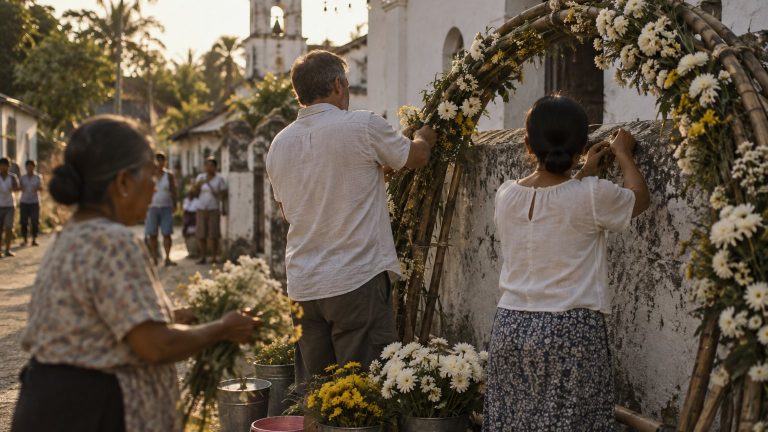 Filipino CultureFlores de Mayo: What Happens at Her Town’s Santacruzan25 min read
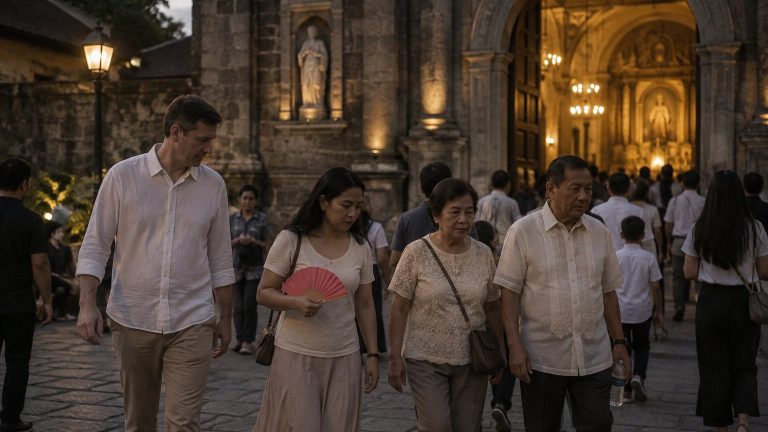 Filipino CultureHoly Week in the Philippines: Traditions With Her Family26 min read
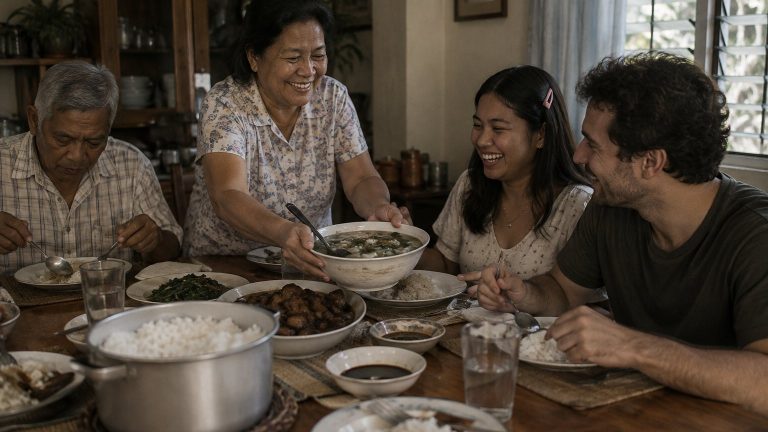 Filipino CultureFilipino Food Traditions: Eating With Her Family27 min read
 Filipino CultureUtang na Loob: The Debt of Gratitude in Her Family25 min read
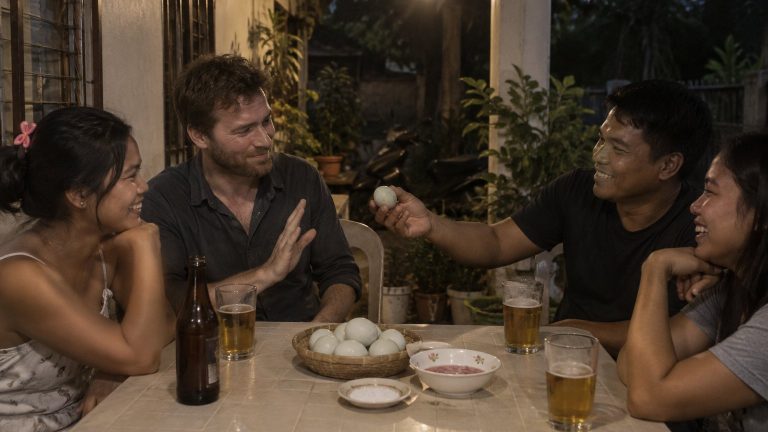 Filipino CultureWhat Is Balut? Eating It With Her Family24 min read
Contents · 12 sections
Foreign men can end up calling every one of those steps dating, and Filipinas who’ve dated foreigners describe the mix-ups that can follow. Suppose you’ve talked every day for three months: in her terms you may still be her manliligaw, a man courting her. Feelings for each other, being a couple, being the only one and her family knowing your name are four separate things there, and a yes to one doesn’t answer the others. Below are the words, the values under them, and what 62 Filipinos writing in Philippine news from 2009 to 2020 say has changed. For where to meet and how to start, see our guide to dating a Filipina.
The stages of courtship in the Philippines, in Tagalog and English
These are the words and milestones you’re likely to meet, roughly in the order the traditional version runs. They aren’t a fixed sequence: couples skip some, merge others, and her family may be involved from the start.